beyerdynamic M500 Reviews: See Why 0 Shoppers Rated It 0 Stars!
Is the beyerdynamic M500 microphone stage-ready or stuck in the box? 0 users shared their real takes on these beyerdynamic microphones — find out what stood out.
 Supermod
  Moderator
 Recaptor
 Beyerdynamic M500 Review: A Classic Ribbon Microphone for Studio and Live Use
The beyerdynamic M500 stands as a noteworthy piece in the realm of professional microphones, especially for those hunting for vintage reliability with a modern edge. Launched way back in 1969, this ribbon microphone has endured the test of time, maintaining its position as a favored choice for studio and live recordings alike.
Its design and engineering clearly prioritize a hypercardioid polar pattern that excels in isolating sound sources, a crucial factor in both broadcast environments and rich studio sessions. Based on features and measurable specs, the M500 appears to deliver a robust audio performance tailored for professional-grade use, making it a compelling option for musicians and audio engineers who demand precision.
Detailed Specs & Features Explained
On paper, the M500 hails from Germany, a country renowned for high manufacturing standards in audio equipment. It offers a side-address form factor with a matte black finish crafted from durable metal, ensuring solid build quality.
Measuring 7.44 inches in height and weighing just over half a pound, this mic is surprisingly manageable given its large diaphragm design. The hypercardioid polar pattern is central to its functionality, allowing it to capture sound with focused directionality while minimizing ambient noise, which is especially beneficial in live settings.
In terms of audio performance, it operates within a frequency response range spanning from 40 Hz to 18,000 Hz. This spectrum ensures it can capture both deep bass tones and detailed highs with clarity. The microphone's sensitivity is rated at -60 dB, which is consistent with ribbon mics that typically require a strong signal chain.
Despite a relatively low 5 dB signal-to-noise ratio, this spec aligns with typical ribbon microphone characteristics, prioritizing warmth over extreme noise isolation. The maximum sound pressure level (SPL) of 130 dB reveals that the M500 can handle quite loud sources without distortion; a strong point for versatility in recording loud amps or drums.
The device utilizes a transformerless design, paired with a basic internal preamp, optimizing the signal for purity and reducing coloration. Equipped with an XLR connection interface and balanced audio output, it suits professional studio rigs seamlessly. However, it notably does not support phantom power, requiring a passive power source that matches its ribbon technology. The detachable cable adds a touch of convenience and reliability for transport and stage use. This combination of specifications ensures a pure, natural capture that audiophiles and sound engineers value highly.
User Experience & Performance Based on Specs
Design & Build
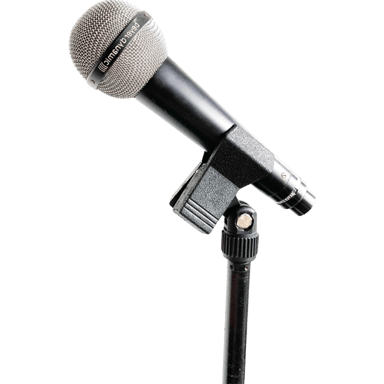
What makes the M500 unmistakably professional is its thoughtful build: a metal body coated in matte, complemented by a metal grill that protects the delicate, large diaphragm without compromising sound quality.
Its swivel/pivot capability and detachable mount allow easy positioning and integration with stands or clips, enhancing setup flexibility. At just 0.53 lbs, it strikes a balance between sturdiness and portability, a significant factor for users hopping between studio and stage. However, it lacks shock mounts and windscreens, which means users might need additional accessories for optimal performance in noisy or windy environments.
Performance
In daily use, the M500's hypercardioid pattern is likely to minimize off-axis interference, although the specs do not provide an explicit figure for off-axis rejection. The microphone's fast transient response is a winning attribute, capturing quick sound changes and delivering more detailed, natural sound articulation.
Despite a modest signal-to-noise ratio, the microphone's natural pressure gradient acoustic principle ensures the characteristically warm and smooth tone ribbon mics are loved for. The absence of features such as onboard gain control or mute functions indicates a pure analog experience, which is often preferred by professionals seeking true, uncolored sound.
Audio Quality
The microphone's frequency response band ensures that it captures a full-bodied sound suitable for voice and instruments. With a max SPL threshold of 130 dB, the mic can handle loud sound sources without distorting, making it versatile enough for both studio vocals and high-volume live sources. The balanced audio output and standard XLR plug promise noise-free signal transmission, a critical aspect for broadcast-quality audio. However, it does not integrate AI noise cancellation or DSP processing, signaling reliance on external mixers or DAW software for further sound enhancements.
Extra Features
While the M500 doesn't come loaded with modern extras such as programmable buttons, monitoring mix control, or software integration, this simplicity is part of its charm for purists. It boasts a durable design with an internal foam dampening material to reduce unwanted resonances.
The microphone's passive power source fits well with traditional ribbon mic expectations, rejecting the need for phantom power and batteries; a nod to its historical lineage. The limited accessory package with just a mounting clip and manual keeps the setup straightforward. Still, it means users will likely need to invest in additional equipment if they require cables or stands.
Pros & Cons
Pros
- Pure ribbon microphone sound with a wide frequency response (40 Hz-18 kHz)
- Robust metal build with matte finish, ensuring durability
- Detachable cable and swiveling mount for ease of setup and flexibility
- Handles high sound pressure levels up to 130 dB well
- Classic hypercardioid pattern is ideal for precise sound isolation
Cons
- Lacks modern conveniences like onboard controls or noise cancellation
- No shock mount or windscreen included, which might require extra investment
- Lower signal-to-noise ratio compared to condenser microphones
- Limited warranty coverage; only one year
Price & Value for Money
Priced at around $499.99 at GuitarCenter.com, the beyerdynamic M500 sits in a mid-to-high range for ribbon microphones. Considering its 1-year warranty and traditional passive power design, the pricing reflects its niche appeal as a vintage-style studio and live mic.
For professionals seeking authentic ribbon tone without the frills of digital enhancements, this is a solid investment. That being said, users expecting broad feature sets like integrated DSP or adjustable polar patterns might find it somewhat limited relative to contemporary options.
Quick Take
In short, the beyerdynamic M500 offers a commendable ribbon microphone experience rooted in classic German engineering. Its specifications highlight a focus on pure sound capture and durability rather than modern gadgets. If we look at the numbers alone, it holds up well in handling demanding audio tasks, especially for knowledgeable audio professionals.
Closing Recommendation
The M500 may be ideal for those who value authentic ribbon microphone sound and sturdy metal construction without the need for digital conveniences. It appears best suited for experts in studios or live environments who appreciate traditional microphone engineering and can supplement with external gear to manage monitoring or noise control. Ultimately, it helps users achieve warm, precise recordings when steered by professional knowledge and suitable setups.
Verdict
Rating: Based on the specifications and overall feature set, we believe Beyerdynamic M500 deserves 4.3 out of 5.
- Winner Feature => The authentic ribbon mic sound with a wide frequency range and high SPL tolerance.
- Needs Improvement => Limited modern features and accessories may narrow its appeal for more casual or tech-focused users.
Reviews 0
The good, the bad, and the brutally honest.Average Rating


More Microphones 1229
Unlock more awesome finds.